A Brief History of Jiu-Jitsu and Brazilian Jiu-Jitsu
An introduction to the roots, development and modern practice of grappling.
Grappling has many histories
Techniques for throwing, restraining and controlling an opponent appear in many older wrestling traditions. Their existence does not establish a direct lineage to modern Jiu-Jitsu, but it helps explain why grappling has developed in different cultures.
The history of Japanese jujutsu is more specific: different schools organised methods for control, throws and submissions. Modern accounts should distinguish documented transmission from broader stories and theories about ancient origins.
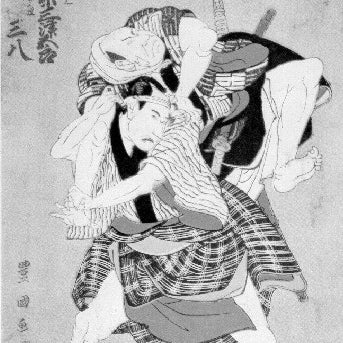
From Japan to Brazil
Judo and related Japanese grappling methods travelled internationally, including to Brazil. The practice that developed there placed increasing emphasis on groundwork, positional control and submissions, eventually becoming known as Brazilian Jiu-Jitsu.
The sport continued to evolve through academies, competition and exchanges between practitioners. Different lineages and teaching approaches remain part of its identity.

A living practice
Today, people train BJJ for competition, recreation and the technical challenge of grappling. Its history continues through everyday sessions, where techniques are tested, refined and passed between training partners.
This introduction is adapted from the TheGIS archive. It offers a starting point for exploring the sport, rather than treating every popular origin story as a settled historical fact.


